


Electric Vehicle/Tesla/BYD Insurance -
Third-party/Comprehensive Coverage
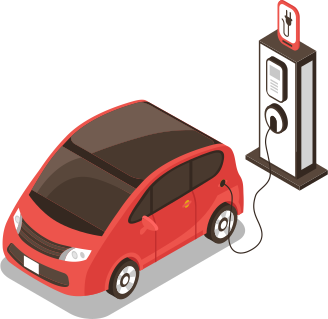
Electric vehicle (EV) insurance, like private car insurance, is divided into third-party and comprehensive coverage, with minor differences in coverage – EV insurance allows drivers to add coverage for charging equipment.
- Third-party liability electric vehicle insurance - covers bodily injury and property damage to third parties in traffic accidents.
- Comprehensive electric vehicle insurance - in addition to third-party coverage, it also covers damage to the insured vehicle and medical expenses for the owner.
- Electric vehicle drivers can add coverage for personal charging equipment.
The option for 'personal charging equipment coverage' exists because some electric vehicle owners may use aftermarket chargers due to longer charging times with older original charging plugs.
When purchasing EV insurance, you should check whether the insurance's 'charger liability coverage' only covers original chargers. If so, you may consider purchasing 'personal charging equipment add-on coverage'.
Learning by watching videos
Comparison of insurance for electric and gasoline vehicles - [Car Insurance 101 EP5]
Tesla electric vehicle drivers seem to be frequently targeted, becoming the stars of many dashcam videos. Is it true that electric vehicles are particularly prone to accidents, leading to higher premiums? What are the differences in coverage between electric and gasoline car insurance? And most importantly — how can you get the best deal on electric vehicle insurance?
Why does insurance for Tesla/BYD electric vehicles cost more than that for gasoline vehicles?
EV insurance premiums are higher than those for gasoline vehicles by between 30% and 150%. There are a number of reasons for that:
Why does insurance for Tesla/BYD electric vehicles cost more than that for gasoline vehicles?
EV insurance premiums are higher than those for gasoline vehicles by between 30% and 150%. There are a number of reasons for that:
Expensive Parts
Electric vehicles, especially Tesla vehicles, are already expensive themselves, and the choice of aftermarket parts is extremely limited. Moreover, repairs can only be made at designated service centers and authorized body shops. This stands in sharp contrast with gasoline vehicles, the repair jobs on which can be handled by even the run-of-the-mill repair shop. With this lack of competition, replacement parts and labor are often more expensive than for conventional vehicles. Simply replacing the windscreen may set you back by HKD $20,000. Last but not least, Tesla cars have a one-piece body shell made of aluminum alloy, and even a slight collision requires the entire body shell to be replaced.
Higher Accident Risks
Closed Market
Tesla vehicles can only be repaired by authorized auto repair shops, and the high cost of parts prevents new repair shops from entering the market, effectively exacerbating the vicious cycle.
Fewer insurers in the market
Due to the higher risks and repair costs of electric vehicles, there are fewer insurers in the market willing to provide coverage. This naturally increases the premiums for electric vehicle insurance.
Choosing EV/Tesla/BYD insurance? Experts teach you the four things to look at!
Choosing EV/Tesla/BYD insurance? Experts teach you the four things to look at!
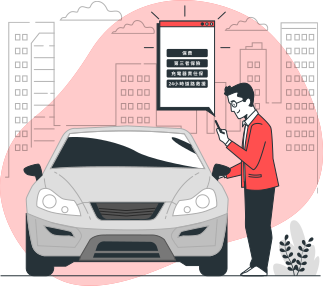
Look beyond the premium; also consider the deductible.
Third-party liability/property coverage limit for electric vehicles
Third-party insurance for electric vehicles covers the driver's liability for injury or death suffered by third parties, and some insurers further cover third-party property damage. You can decide which type of third-party insurance to purchase based on your needs.
Charger liability coverage
Charger liability coverage compensates the driver for liability issues arising from the use of chargers, such as if a fire is caused when using a charger in a public parking lot. Some insurers only cover accidents caused by Tesla's original chargers. If you need to use a charger of a different brand, you would need to purchase additional coverage.
24-hour roadside assistance for electric vehicles
Just as gasoline cars can run out of gas while on the road, so can electric vehicles run out of battery power. Therefore, 24-hour roadside assistance is a must-have. When comparing different insurance plans, in addition to paying attention to the towing fee reimbursement limit, check whether the coverage further includes the cost of taking a taxi to the repair center after the towing, as well as the car rental fees for temporary replacement vehicles during the electric vehicle repairs.
How can I save on electric vehicle/Tesla insurance?
To lower your electric vehicle insurance premiums, you can consider the following:
How can I save on electric vehicle/Tesla insurance?
To lower your electric vehicle insurance premiums, you can consider the following:
Secure only third-party insurance
Although a comprehensive policy offers better protection than a third-party policy, if you want to save on premiums and are confident about your driving skills, you may consider securing only third-party car insurance.
Drive less
Since electric vehicles can track the vehicle’s mileage more accurately, reducing your mileage can help you avoid having to pay a "high mileage deductible" when making a claim (if your Tesla has an average daily mileage of >130 km over the past 12 months, you will have to pay the high mileage deductible when making a claim).
Accumulate a 60% no-claims discount
P-license drivers can buy electric vehicles later
Propose a driver restriction clause to your insurer
Shop around
Frequently Asked Questions


By subscribing to the newsletter, you accept and agree to Kuaibo's Terms of Service, Privacy Policy and Personal Information Collection Statement.


By subscribing to the newsletter, you accept and agree to Kuaibo's Terms of Service, Privacy Policy and Personal Information Collection Statement.